What to see in Seville? These are the must-see monuments and places to visit
Are you planning a trip to the Andalusian capital and don’t know where to start? Don’t worry, Seville makes anyone fall in love, but it is very big and has a lot of history, heritage and culture, so knowing how to organize your time well is key to enjoy it as it deserves. We will tell you everything you have to see in Seville on your first visit (or your second, your third…).
In this guide we intend to guide you step by step to discover the main attractions of Seville in 1, 2 or 3 days (or even more), combining the most visited monuments with those charming corners that only those who live and breathe the city know. Keep in mind that we have elaborated this content in direct consultation with our guides, who know the city first hand, so trust us!
Things to visit in Seville in one day: The essentials
If you only have one day in Seville, we recommend you to focus on the monumental heart of the city, where some of the most emblematic places in Andalusia are concentrated.
1.Seville Cathedral and La Giralda
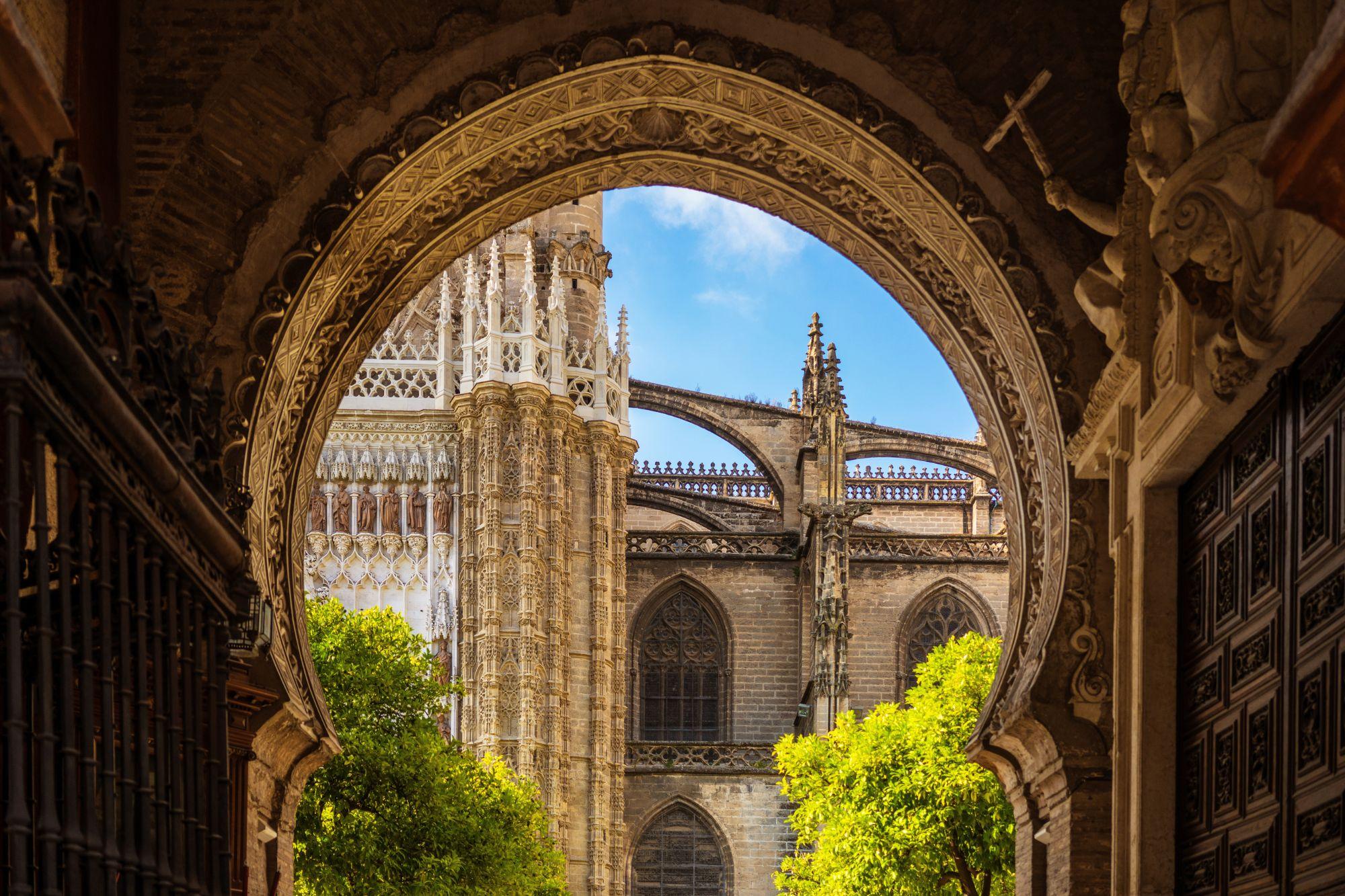
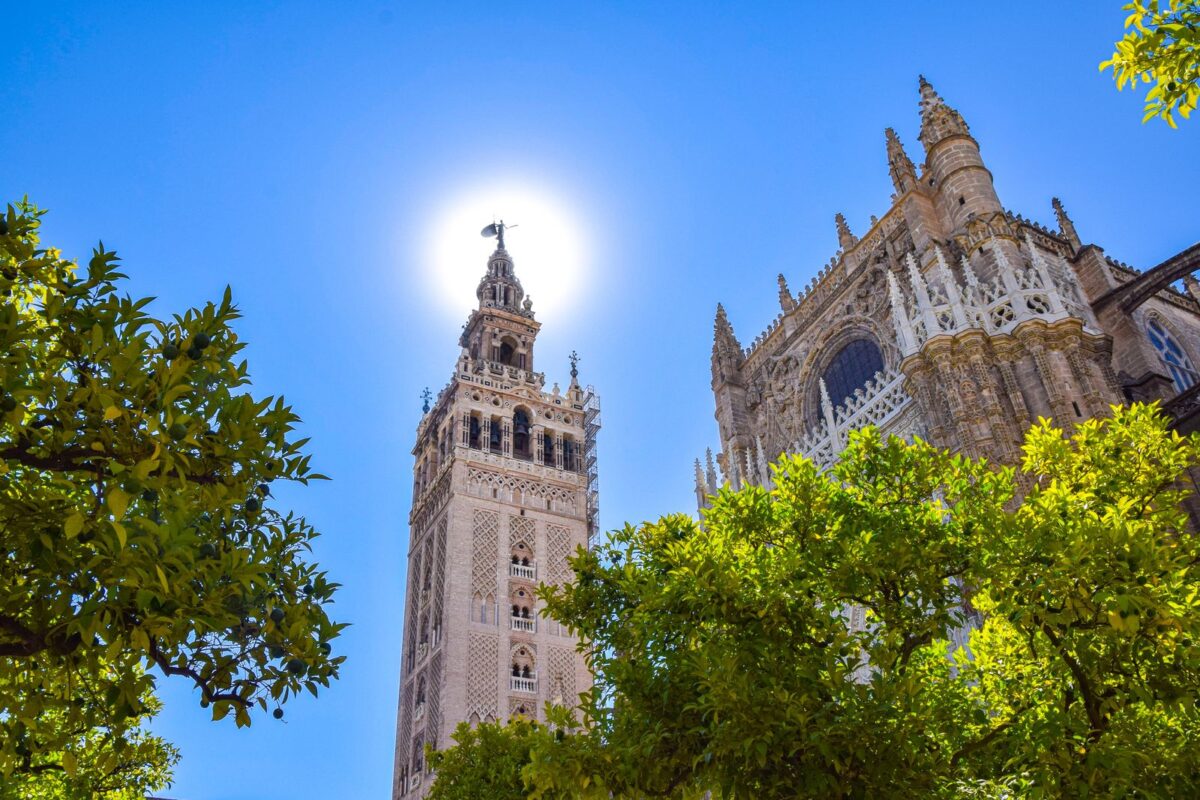
Start the day visiting the Cathedral of Seville, the largest Gothic cathedral in the world and a UNESCO World Heritage Site. Built over the old Almohad mosque, it still preserves the Patio de los Naranjos and, of course, the imposing Giralda, an ancient minaret converted into a bell tower. Climbing to the top of the Giralda is one of those unforgettable experiences: the views of the historic center are spectacular. Keep in mind that the space in the Giralda is limited. Be patient to be able to find the space and take the perfect picture from one of its windows.
👉 Book here your tickets to visit theinterior of the Cathedral of Seville and the Giralda with audio guide.
👉 Book here your guided visit to the Cathedral of Seville with tickets included.
Royal Alcazar
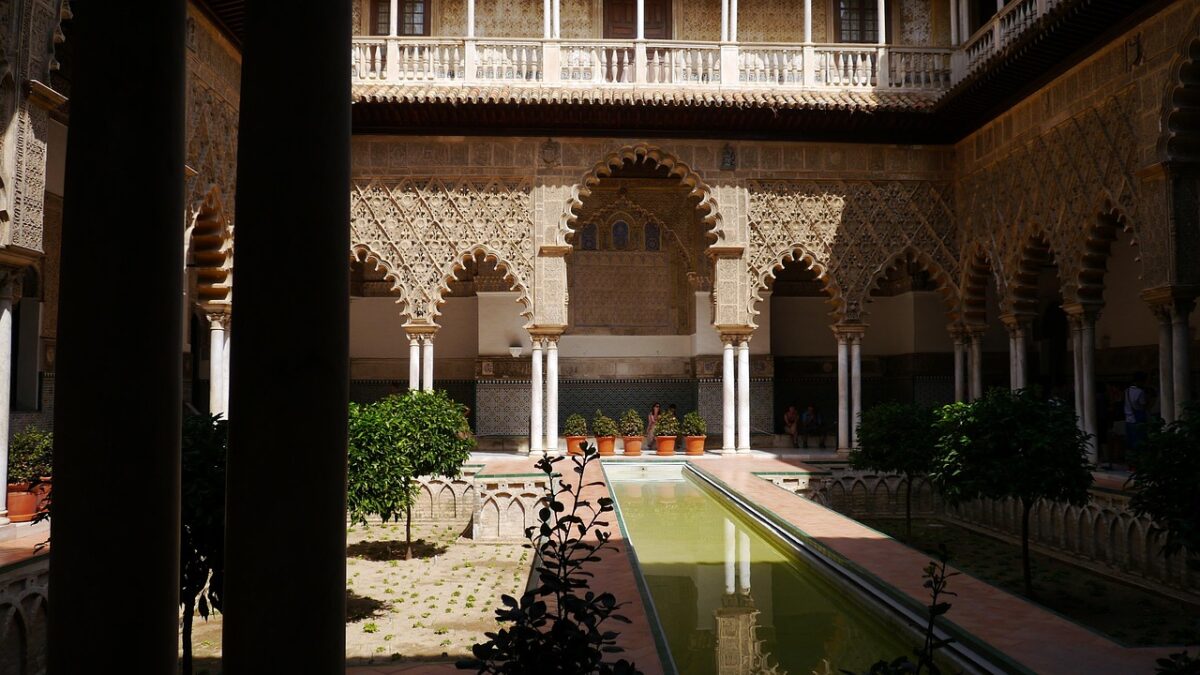
A few meters from the Cathedral, you will find the Real Alcázar, a palace that looks like something out of a story from the Thousand and One Nights. It was ordered to be built by Pedro I in the 14th century over an old Muslim fortress. Its Mudejar architecture, gardens and royal halls will make you travel back in time.
👉 Tickets for the Real Alcazar of Seville with audioguide available
👉Ifyou prefer to be shown by an expert, hire a guided tour of the Real Alcázar of Seville.
3. Santa Cruz Neighborhood
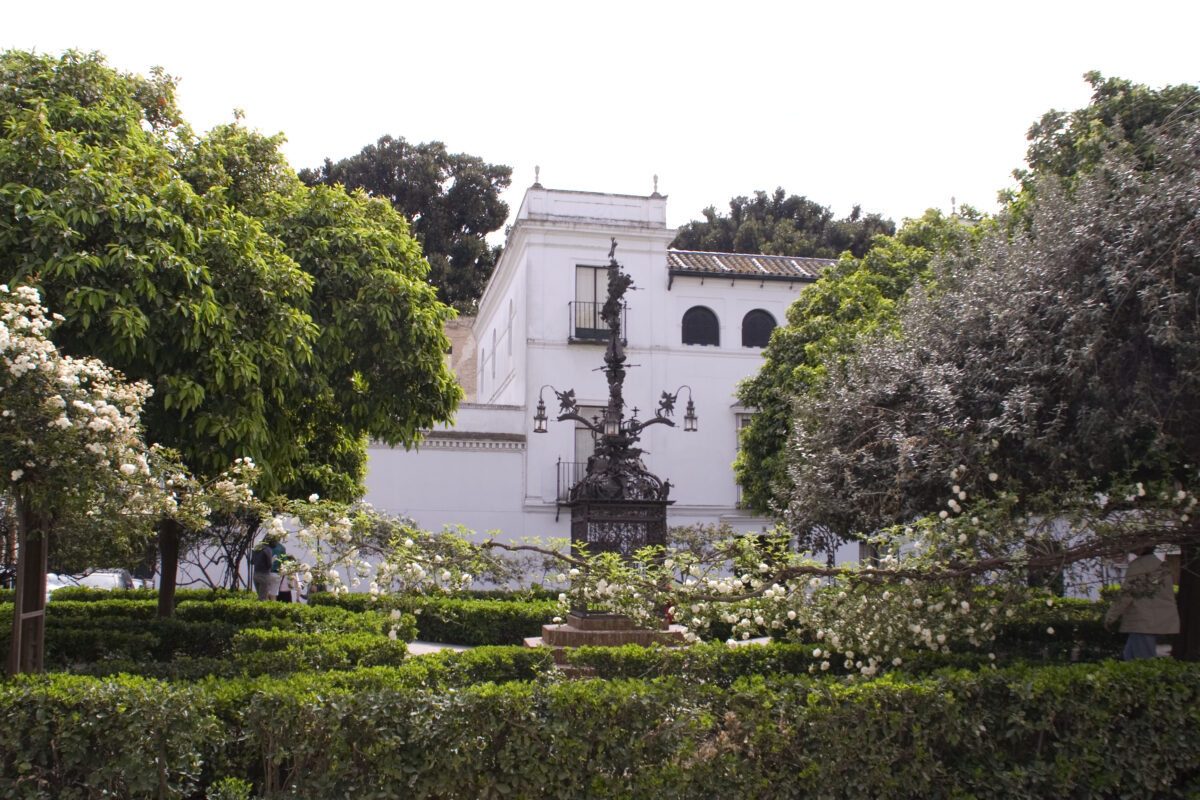
After so much history, the best thing to do is to get lost in the narrow streets of the Barrio de Santa Cruz, the old Jewish quarter. Flowery balconies, hidden squares like the Plaza de Doña Elvira, and an atmosphere that smells of orange blossom all year round.
To discover this corner of Seville and the vast history it treasures, there is no better way to explore it than on our free tour of the Barrio de Santa Cruz, and with local guides who will not leave a secret untold.
4. Plaza de España and María Luisa Park
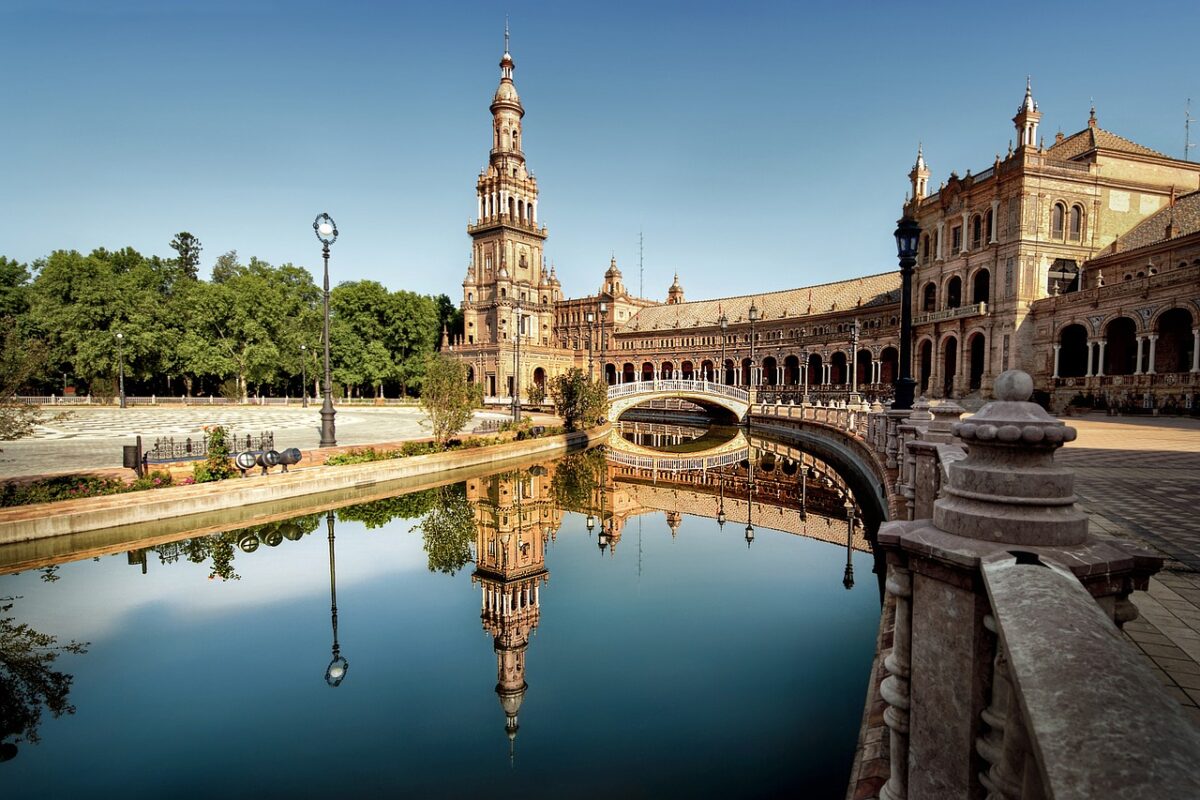
In the afternoon, you can’t miss the Plaza de España, one of the most photogenic places in Seville and we are sure the most photographed. Built for the 1929 Ibero-American Exposition, each Spanish province has its own tile in this semicircular square. Next to it, the Maria Luisa Park offers a relaxing stroll among fountains, gazebos and lush vegetation.
If you want to explore them on your own, that’s fine. It’s a very nice (and romantic) tour. But if you are one of those who want to know everything about the ground you walk on, we strongly recommend you to take our free tour of Essential Seville.
What to see in Seville in 2 days: discovering neighborhoods and symbolic architecture of the city
If you have two days in Seville (you’ll need them), in addition to the must-sees we’ve detailed, you can further explore some key neighborhoods and monuments, and start to get to know the most authentic Seville.
Here we can go into a little more detail:
5. Archive of the Indies
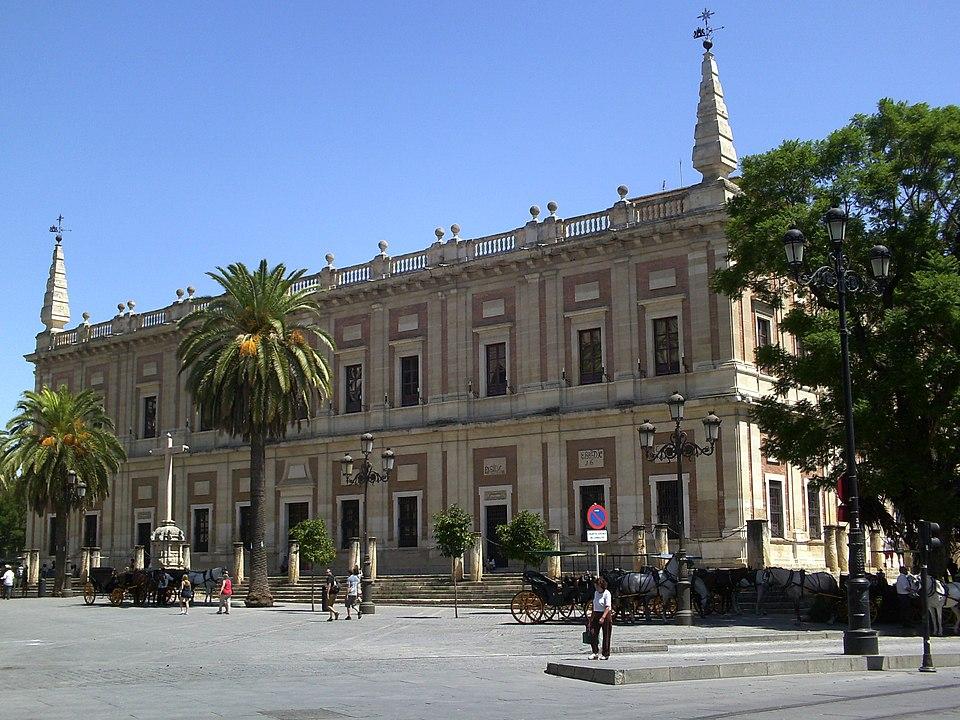
Next to the Cathedral, the Archivo General de Indias houses millions of documents related to the colonization of America. It is a historical and architectural treasure that allows you to understand the central role of Seville in trade with the New World. It can be visited, of course. Check the website of the Ministry of Culture for opening hours and conditions of access. The tourist visit to this Archive is completely free.
6. The Mushrooms of Seville
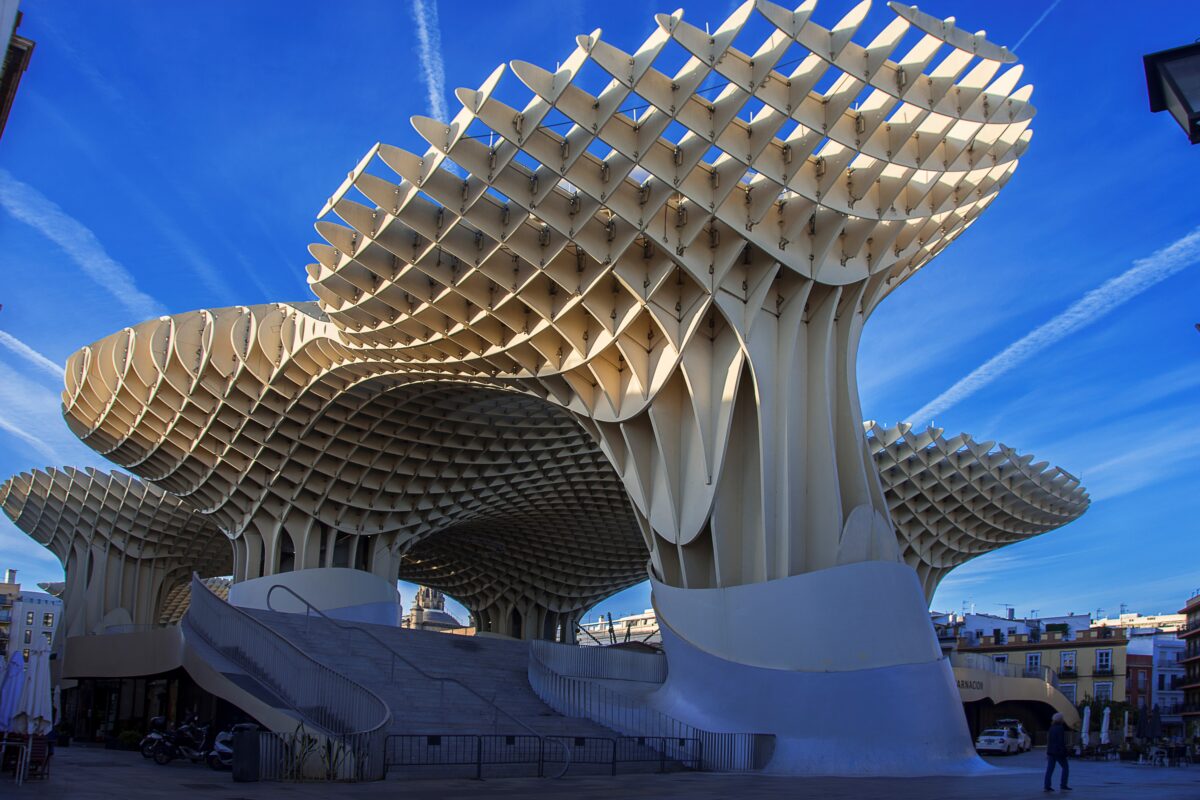
A modern contrast is offered by the Metropol Parasol, popularly known as “Las Setas”. This huge wooden structure in the Plaza de la Encarnación allows you to climb to a viewpoint with panoramic views of the city. In addition, inside you will find Roman and Arab archaeological remains.
And, around it, a wide gastronomic offer that combines traditional Andalusian and Sevillian cuisine with the avant-garde of haute cuisine.
7. Triana
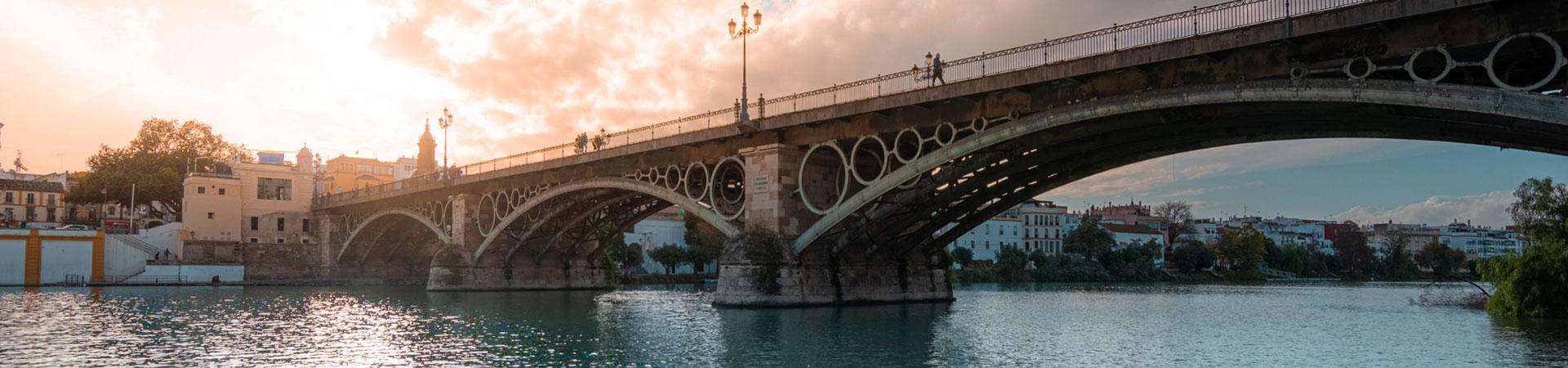
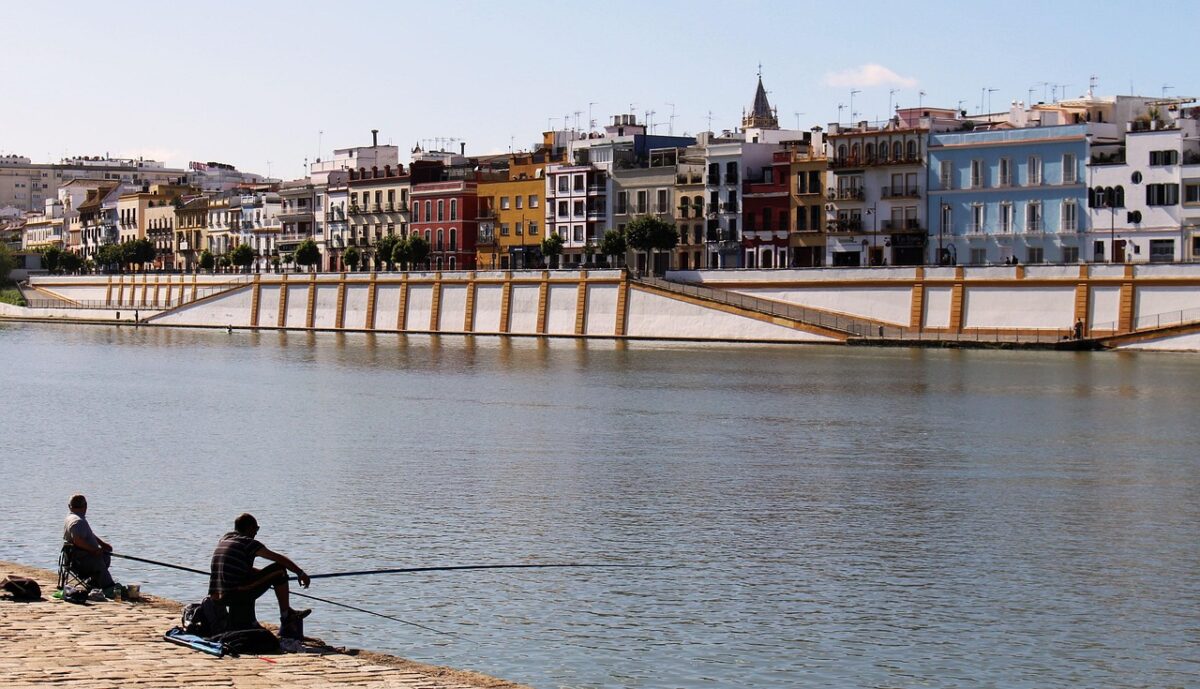
Actually, if you have time in a one-day visit, we recommend you to visit the Triana neighborhood as a must-see. Crossing the Isabel II Bridge, you will reach the Triana neighborhood, the cradle of flamenco, ceramics and the Sevillian soul. Stroll along Betis and Pureza streets, visit the Triana Market (on the remains of the old San Jorge Castle) and get lost in its streets full of popular art. Visit the churches of Santa Ana and the Hermandad de la Estrella de Triana, located in San Jacinto street (where by the way you will find many typical bars to make a stop along the way).
8. Pilate’s House
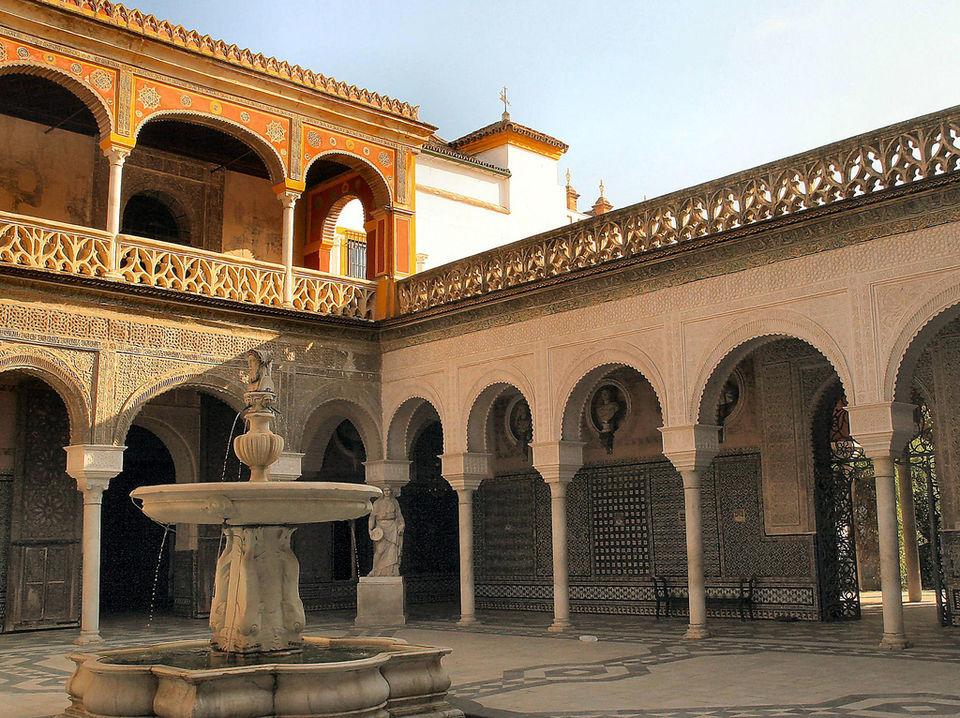
A less visited but absolutely recommended gem is the Casa de Pilatos, a Renaissance palace with an exquisite blend of Mudejar, Gothic and Renaissance styles. Its patios and tiles are pure elegance.
Among the most beautiful palaces in Seville, the Casa de Pilatos stands out for its mix of cultures and timeless elegance. Built at the end of the 15th century by the Enriquez de Ribera family, this palace is considered the best example of an Andalusian noble palace, with a masterful fusion of Mudejar, Gothic, Renaissance and Baroque styles.
Its name comes from a curious tradition of the sixteenth century: Fadrique Enriquez de Ribera made a trip to the Holy Land and, on his return, compared the distance between his house and the nearby church of the Cruz del Campo with that which separated the house of Pontius Pilate from Calvary. The most impressive feature of the house is its central courtyard, decorated with an exquisite collection of Sevillian tiles (more than 150 different types, from the 16th century) and surrounded by marble columns and classical sculptures brought from Italy. Do not miss its monumental staircase, one of the most beautiful of Sevillian civil architecture, and the coffered ceilings of the upper rooms.
You can check the availability and price of tickets to visit the Casa de Pilatos on its official website.
What to see in Seville in 3 days or more: time to finish discovering hidden wonders
If you have three days or more, you can afford to slow down and discover less touristy, but equally charming areas. Here are the recommendations of our guides:
9. Palace of Las Dueñas
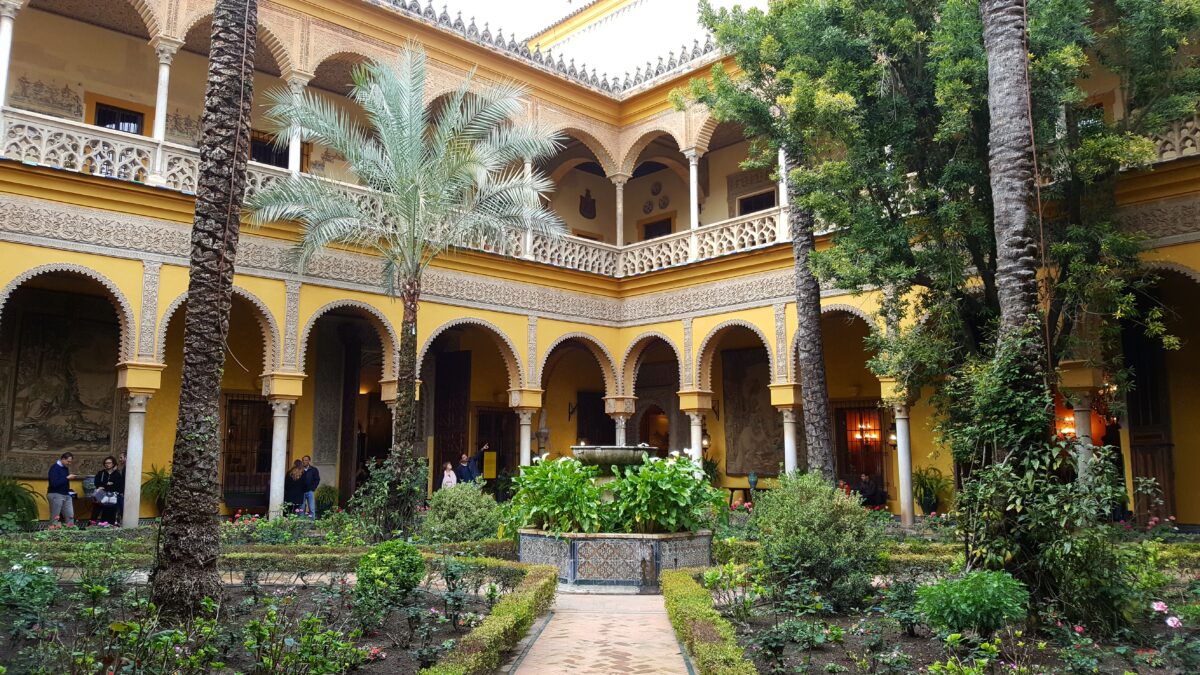
Less known than the Alcazar, but just as fascinating, the Palacio de las Dueñas is a jewel of the Sevillian Renaissance. Owned by the House of Alba, it has been the residence of aristocrats, artists and even the poet Antonio Machado, who was born here.
The building combines Gothic, Mudejar and Renaissance influences, and is surrounded by Andalusian-style gardens full of bougainvillea, palm trees and fountains that invite you to take a leisurely stroll. Its patios, galleries and halls hold a collection of art and historical objects that reflect centuries of family history and the history of the city itself.
In addition, it is one of the few private palaces that can be visited almost in its entirety, allowing visitors to immerse themselves in the life of the Sevillian nobility without filters. It is a perfect place for those looking for a less crowded Seville, but deeply rooted in its history and culture.
Tickets to visit it can also be purchased on its official website.
10. Itálica
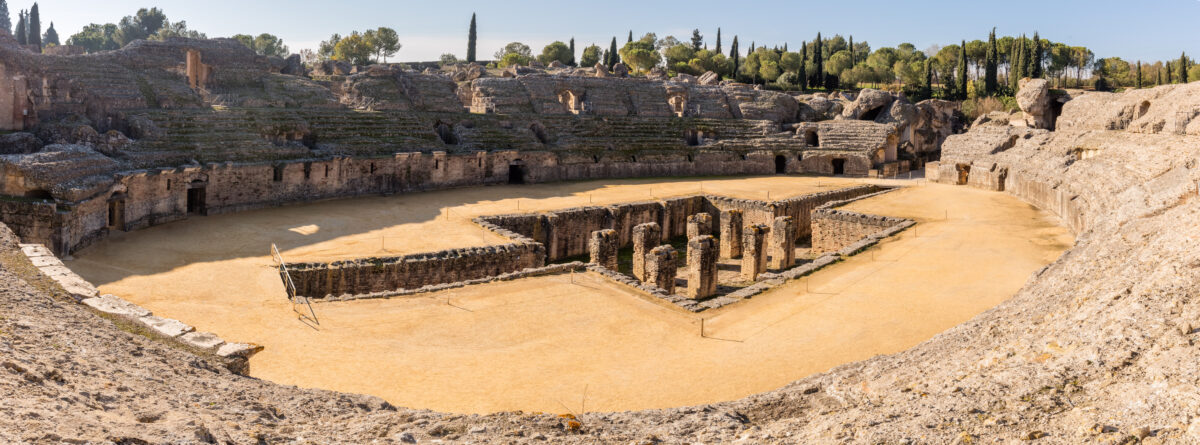
Just 20 minutes from the center of Seville, in the municipality of Santiponce, is one of the most impressive archaeological treasures of Spain: the Roman city of Italica. Founded in 206 BC after the Roman victory in the battle of Ilipa, Italica was the first Roman city outside Italy and the birthplace of two emperors: Trajan and Hadrian.
Strolling through its cobblestone streets is like stepping back two thousand years in time. Its amphitheater, which once held more than 25,000 spectators, is one of the largest in the Roman Empire and has been the setting for series such as Game of Thrones. But Italica is not only impressive for its size, but also for the delicacy of its details: the original mosaics that decorated the domus, the remains of baths, temples and the urban layout show you the daily life of a prosperous Roman city.
An ideal excursion for those who love ancient history and want to complement their visit to Seville with a journey into the past.
👉You cancheck the availability and prices of the guided tours to Italica here.
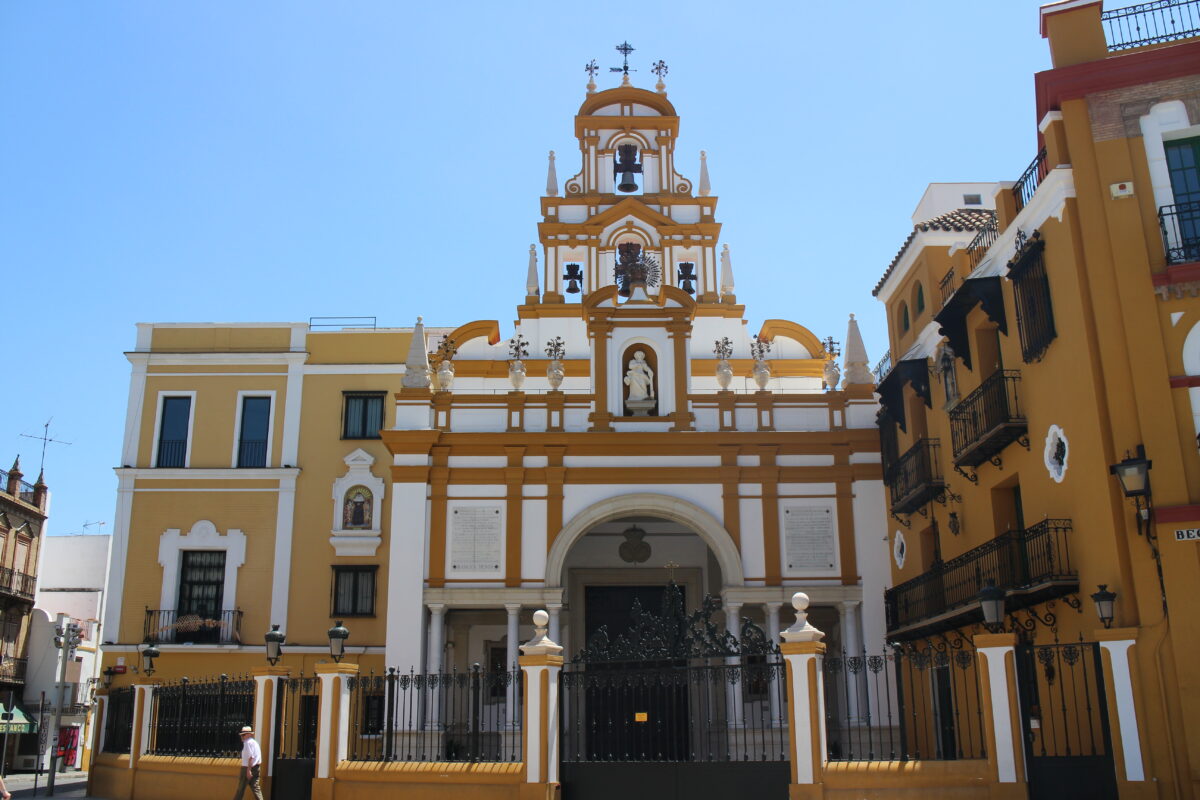
11. Basilica of the Macarena
La Macarena, beyond the Holy Week, is one of the most beloved religious symbols for Sevillians. Its basilica houses the famous image of the Virgin and a museum that traces the history of the brotherhood. A cultural must for those who want to leave Seville impregnated with its purest essence.
The entrance to the Basilica of the Macarena is completely free within the schedule established by the Brotherhood for the opening to the public of the temple.
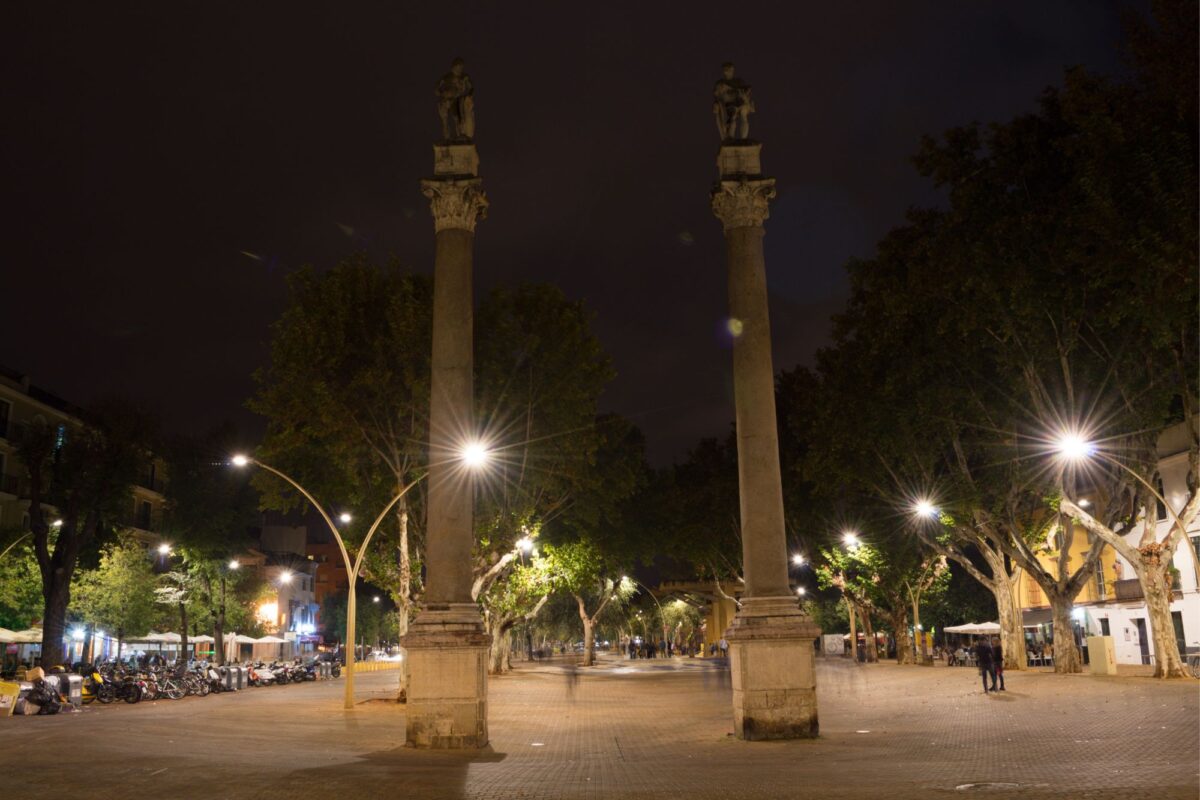
12. Alameda de Hércules
This is the perfect place to close your trip: the Alameda de Hércules has become the alternative epicenter of Seville, with bars, terraces and a lively cultural life. Ideal to enjoy a beer at sunset or a different dinner.
Tips for your visit to Seville
Depending on the time of the year you decide to visit Seville, it is important that you take into account our tips to make your experience full and unforgettable.
- Avoid the hottest hours, especially if you travel in summer. It is best to get up early and take advantage of the afternoon and evening.
- Buy tickets in advancefor the main attractions of Seville, especially for the Alcazar and the Cathedral, where queues can be long.
- Don’t miss a good flamenco show in tablaos such as La Cantaora, located on …. (MTT link).
To move around the city, the most comfortable way is on foot or by bike. Seville has one of the best bike lane networks in Spain.
Ready to fall in love with Seville?
Whether in a single day or a longer trip, Seville will conquer you. History, art, street life, intense flavors and unforgettable corners. Now that you know what things to visit in Seville, all you have to do is pack your suitcase… and let yourself be guided by the hand (and voice) of our guides.